- 7978940093
- info@acharyadrona.com
- Plot K3B/541,1st Floor,Ghatikia Main Road Near Saraswati Sishu Mandir
MBBS in Russia
MBBS in Russia
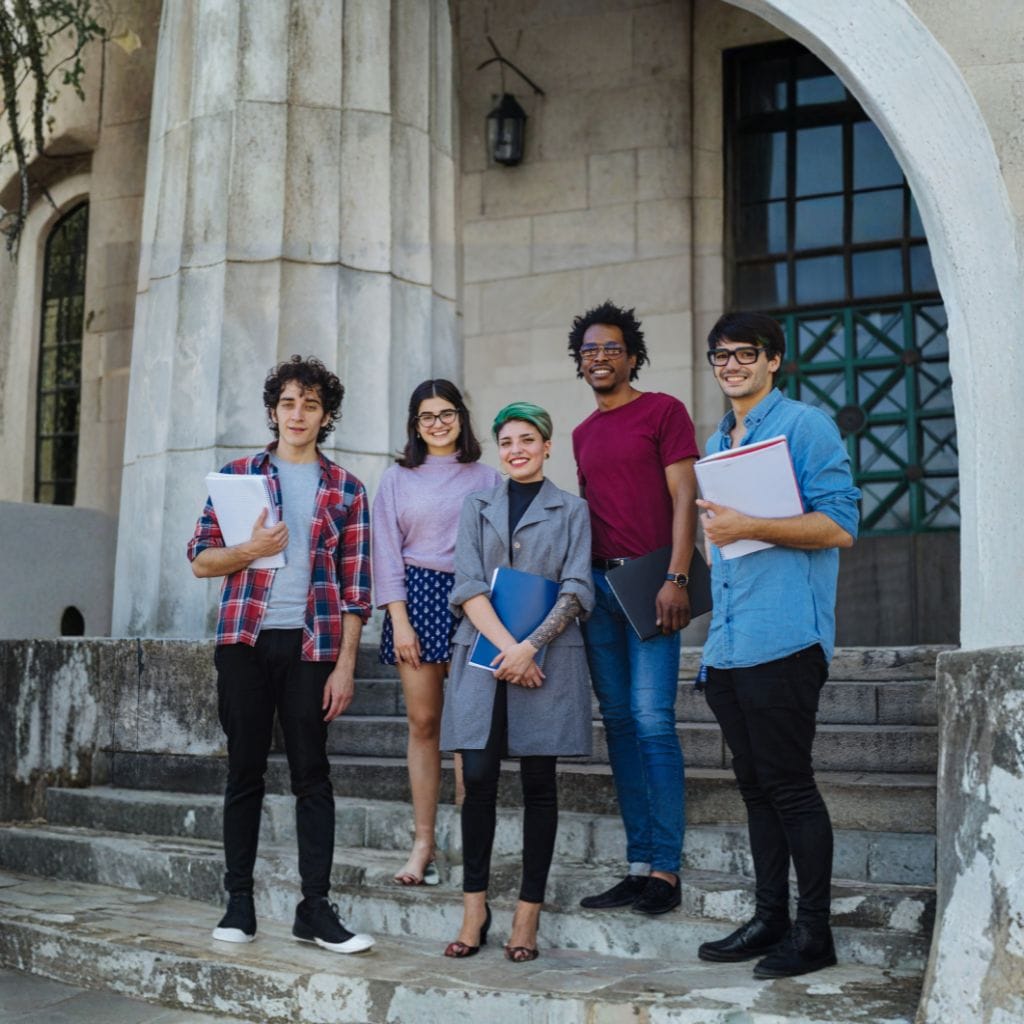
Pursuing MBBS in Russia has become a popular choice for Indian students who seek quality medical education at an affordable cost. Russian universities are globally recognized and provide modern infrastructure, experienced faculty, and a strong emphasis on practical learning.
One of the biggest advantages is the lower tuition fees compared to private medical colleges in India, making it accessible for students from diverse backgrounds to achieve their dream of becoming a doctor. The admission process is simple and transparent, with no donation or capitation fees involved. Most universities also offer English-medium courses, ensuring that language is not a barrier for international students.
In addition to academic excellence, students gain exposure to diverse cultures and enjoy a safe, student-friendly environment.
Overall, MBBS in Russia is an excellent option for students looking for a reliable and budget-friendly pathway to a successful medical career.
Benefits of Studying MBBS In Russia
Most of the Indian students who plan to study MBBS in Russia may have a rough idea about
it’s benefits. But they are not fully aware of the reasons why Russia is still a far better option
than most other countries. So, some of the most important and main benefits of MBBS in
Russia for Indian students are:
Key Advantages
- No Donation: There is no donation required to study MBBS in Russia, as they are direct & solely on the basis of eligibility.
- Global Recognition: All medical universities in Russia have recognition from WHO and hence the MBBS degree is valid globally.
- Top Ranking: All medical universities in Russia have recognition from WHO and hence the MBBS degree is valid globally. The ranking of some of the top universities of Russia is among the top 100 in world and among the top 50 in Europe .
- Valid Degree: The MBBS degree awarded in Russia is Known as “MD Physician”, which is equivalent to “MBBS” degree in India.
- Easy Eligibility: The MBBS degree awarded in Russia is Known as “MD Physician”, which is equivalent to “MBBS” degree in India.The eligibility requirement for Indian students to study MBBS in Russia for Indians is 50% marks, NEET qualification &17 years of age (As per NMC’s guidelines).
- Direct Admission: Students can apply for MBBS admission in Russia online, as they only need to provide scans of required documents.
- Affordable fees: Russian universities offer an affordable course & the lowest MBBS fees in Russia is just INR 16 lacs (Including tuition fee & hostel).
- Course Duration: The duration of MBBS in Russia is 6 Years & it Complies with NMC’s prescribed duration (54 months course +12 Months internship).
- Medium of Instruction: The entire course of MBBS in Russia is in English medium for Indian students from the beginning till the end of course.
- Small Classes: Medical Classes in Russia have 13-15 students, which helps students to communicate frankly with their teachers and clear their doubts.
- Experienced Faculty: With an experience of more than 2 decades, the teachers are proficient in English and easily interact with Indian Students.
- Huge Community of Indians: With an experience of more than 2 decades, the teachers are proficient in English and easily interact with Indian Students.At present, Russia has the more than 20,000 Indian students, who are studying MBBS in different universities.
- Good Relations: Russia and India have excellent relations between them since a very long time, which makes the students & parents feels secure & safe.
DURATION OF MBBS IN RUSSIA
Medical Universities in Russia offer MBBS courses for (5+1) 6 years. Here is what you can expect in your degree course of 12 semesters.
- Theoretical knowledge & practical sessions
- Pre-clinical & Para-clinical subjects
- Laboratory training
- Early clinical exposure in hospitals
1. FIVE YEARS OF CLASSROOM LEARNING
- Compulsory internship in affiliated hospitals
- Rotations in major departments
- Hands-on patient interaction
- Real-time clinical experience
1. FIVE YEARS OF CLASSROOM LEARNING
TOTAL DURATION 6 YEARS (12 SEMESTERS)
ELIGIBILITY CRITERIA FOR MBBS IN RUSSIA
The eligibility criteria for applying for MBBS from Russia may vary from one university to another. However, given below is the basic criteria you must meet for seeking admission in most colleges in Russia:
- The applicant must be at least 17 years old.
- No upper age limit.
 AGE
AGE
AGE
 EDUCATION
EDUCATION
- The students must secure at least 50% marks in 10+2 with Physics, Chemistry, and Biology as core subjects.
- NEET Mandetory
- No TOEFL or IELTS score required.
ADDITIONAL Req.
ADDITIONAL Req.
RECOGNIGATION OF RUSSIAN UNIVERSITY
The eligibility criteria for applying for MBBS from Russia may vary from one university to another. However, given below is the basic criteria you must meet for seeking admission in most colleges in Russia:
NMC
National Medical Commision
WHO
(World Health Organization)
Ministry of Education, Russia
ECFMG
(Educational Commission for Foreign Medical Graduates)
FAIMER
(The Foundation for Advancement of International Medical Education and Research)
WFME
(World Federation for Medical Education)
Syllabus for MBBS in Russia
1. First Year
- Anatomy: This subject involves the study of the human body structure, including organs, tissues, and cells.
- Histology: Students learn about the microscopic structure of biological tissues.
- Medical Biology: This subject covers the biological basis of human life, including genetics and molecular biology.
2. Second Year
- Physiology: This subject is about understanding how the human body functions.
- Microbiology: The study of microorganisms that can cause diseases in humans.
- Pharmacology: Introduction to different drugs and their effects on the human body.
- General Pathology: This subject deals with the study of diseases, their causes, and effects on the body.
- Biochemistry (Continued): Further study of the chemical processes in the human body.
3. Third Year
- Pathology: The study of diseases in detail, including how they develop and affect the body.
- Pharmacology (Continued): In-depth knowledge of different drugs and their medical uses.
- Genetics: Understanding the role of genes in diseases.
- Community Medicine : Understanding the role of genes in diseases.
4. Fourth to Sixth Year
- General Medicine: Diagnosis and treatment of common illnesses
- Surgery: Learning the basics of surgical procedures.
- Pediatrics: Medical care for infants and children.
- Obstetrics and Gynecology: Focused on women’s health, pregnancy, and childbirth.
- Orthopedics: The study of the musculoskeletal system.
- Ophthalmology: Diagnosis and treatment of eye conditions
- ENT (Ear, Nose, and Throat): Medical conditions related to these areas.
- Dermatology: Focus on skin conditions
Internship
The sixth year includes a one-year internship where students rotate through different medical departments like surgery, general medicine, and paediatrics. This hands-on experience is crucial in building the confidence and skills needed to become a competent doctor.
MBBS in Russia Admission Process 2026
MBBS admission in Russia is currently ongoing in the top Russian universities. The admission process for the universities of Russia in MBBS is simple without any challenges.
- Shortlisting a University: Start by choosing the right medical university in Russia. Look at factors like tuition fees, NMC recognition, teaching in English and student reviews.
- Application: Fill out the application form for your chosen university. You can do this online or with the help of our expert consultant.
- Admission Letter: If your application is accepted, the university will send you an admission (invitation) letter. This means you have been selected to study there.
- Documents: Collect and prepare your documents like your 10th and 12th mark sheets, NEET scorecard, passport, photos and medical certificate. These are needed for both admission and visa.
- Fee Payment: Pay the initial university fees to confirm your seat. Some universities ask for part of the tuition fee before applying for a visa.he biological basis of human life, including genetics and molecular biology.
- Visa Application: Apply for a student visa at Russian embassy. You will need your passport, admission letter and other required documents.
- Travel and Accommodation: Book your flight and plan your stay. You can choose on-campus hostels or nearby private housing. Make sure to arrive before classes begin.
Documents Required for MBBS in Russia
- A Valid Passport
- 10th Class Mark sheet
- 12th Class Mark sheet
- Acceptance Letter from the chosen university
- A valid NEET Score Card
- Passport-size photographs
- HIV Negative Report
- COVID-19 Vaccination Certificate
- Fee receipt of tuition fees
Timeline for MBBS in Russia
While applying for MBBS from Russia, students must keep a tab on the important dates and deadlines. Make sure to follow the give deadlines
| Process | Month |
|---|---|
| Registration | April – May |
| 10+2 Results | May – June |
| Admission | June – July |
| Last Date to Apply | 1st August |
| Invitation | July – August |
| Visa | September |
| Departure from India | September |
| Registration | September to October |
| Session Commences | November to December |
| Exams | January – February |
Career Opportunities after MBBS in Russia
A doctor’s degree or MBBS in Russia is highly respected in the medical sector across the globe. Pursuing MBBS in Russia opens doors to endless opportunities in the medical field. After pursuing your MBBS from a reputed medical university in Russia, you can:
- Open up a private practice or work at a clinic.
- Work as a researcher at a reputed health facility or institute.
- You can obtain a license to practice at a government hospital.
- You can practice in countries like Europe, India, US, and the UK after clearing the necessary examinations.
- You can pursue a post-doctoral fellowship and specialize in a specific area of medicine.
- You can also apply for different roles in the pharma sector.
MBBS in Russia for Odisha Students
MBBS in Russia is a great option for Odisha students who want quality medical education at
an affordable cost. Many students from Odisha choose Russia because the fees are much
lower than private colleges in India and there is no donation required. The admission process
is simple, and students can study in English medium in globally recognized universities. It
also offers a safe environment, good infrastructure, and international exposure, making it a
smart choice for building a successful medical career.
MBBS in Russia Fee Structure for Indian Students
The average annual MBBS fee in Russia structure of 20 top Russian medical universities to
study in Russia for Indian students.
University
Total Fee (INR)
Medium & Duration
Perm State Medical University
₹28,29,000
English Medium (6 Years)
MARI State University
₹26,65,000
English Medium (6 Years)
ORENBURG State Medical University
₹30,62,000
English Medium (6 Years)
PSKOV State University
₹18,45,000
English Medium (6 Years)
TVER State Medical University
₹22,00,000
English Medium (6 Years)
I.M. SECHENOV First Moscow State Medical University
₹59,70,000
English Medium (6 Years)
KAZAN State Medical University
₹27,42,000
English Medium (6 Years)
VOLGOGRAD State Medical University
₹28,11,114
English Medium (6 Years)
FAR EASTERN Federal University
₹23,85,000
English Medium (6 Years)
KURSK State Medical University
₹25,12,500
English Medium (6 Years)
KUBAN State Medical University
₹18,39,000
English (4 Years) + Russian (2 Years)
RYAZAN State Medical University
₹19,12,500
English Medium (6 Years)
Northern State Medical University
₹27,45,000
English Medium (6 Years)
DAGESTAN State Medical University
₹15,00,000
English (4 Years) + Russian (2 Years)
PIROGOV Russian National Research Medical University (RNRMU)
₹37,20,000
English Medium (6 Years)
NIZHNY NOVGOROD State Medical University
₹30,15,000
English Medium (6 Years)
ALTAI State Medical University
₹23,77,600
English (4 Years) + Russian (2 Years)
KAZAN Federal University
₹27,57,000
English Medium (6 Years)
BASHKIR State Medical University
₹18,35,561
English Medium (6 Years)
OMSK State Medical University
₹19,91,000
English Medium (6 Years)
Food And Accommodation Facility For Indian Students in Russia
Universities in Russia provide the following food and accommodation facilities for Indian students –
- Universities provide on-campus and off-campus student housing options with various amenities.
- Major cities have numerous Indian restaurants and grocery stores, providing familiar food items and spices. Restaurants and supermarkets also offer a variety of vegetarian and vegan products to suit dietary preferences.
- Rental properties are available, allowing Indian students to choose accommodation based on their preferences and budget. These accommodations often come with security features, ensuring the safety of Indian students.
- Most of the accommodations include utilities such as electricity, water, and internet in the rental costs.
- Educational institutions often have on-campus dining facilities with diverse food options, including Indian cuisine.
- Student accommodations often have common areas and recreational spaces, fostering a sense of community among Indian students.
- Accommodation providers often have 24/7 assistance services for any emergency or support required by Indian students.
FAQ
Frequently Asked Questions
Russia has a long history of medical education with government universities, structured
curriculum, and affordable fees. Many universities also have a strong track record of Indian
students graduating every year.
In Russia, the total cost is usually between ₹18–35 lakhs. In comparison, private medical colleges in India can cost ₹60 lakhs to ₹1 crore or more.
- Government universities
- Stable fee structure
- Strong hospital exposure
- Wide range of options
In Russia, the total cost is usually between ₹18–35 lakhs. In comparison, private medical
colleges in India can cost ₹60 lakhs to ₹1 crore or more.
Yes, many universities offer full English-medium MBBS programs. However, students are
also taught Russian language for hospital interaction during clinical years.
Initially, yes — but universities provide Russian language training from the first year. By the
time clinical exposure begins, most students can communicate with patients at a basic level.
FMGE performance depends more on the student than the country. However, choosing the
right university with proper clinical exposure and guidance plays a big role in better results.
No. There is a big difference between top universities and low-tier ones. Factors to consider:
NMC approval.
Hospital exposure.
Faculty quality.
Indian student feedback.
This is where proper guidance becomes critical.
Student life is structured and disciplined. Universities have:
- Separate hostels for international students
- Indian student communities
- Cultural events and activities
Winters can go below 0°C in many regions. But hostels, classrooms, and public transport are
centrally heated. Students usually adapt within a few weeks.
Yes, most university cities are safe and student-friendly. Universities also provide hostel
security and support services for international students.
Yes, major cities like Moscow have direct or connecting flights from India. Universities also
guide students with travel arrangements during admission.
Most universities are linked with multi-specialty government hospitals where students get
real patient exposure during clinical years.
Yes, students can:
- Appear for NEET PG/NEXT in India
- Apply for PG in countries like Germany, USA, or UK (after clearing required exams)
The ideal time is between May and July. Early application helps in getting better universities
and smoother visa processing.
No, Russian universities do not require any donation or capitation fees. Admission is
transparent and based on eligibility.
Basic documents include:
- 10th and 12th mark sheets
- NEET scorecard
- Passport
- Passport-size photographs
We guide you through:
- Selecting the right university (not just any available seat)
- Admission and documentation
- Visa processing
- Travel and pre-departure briefing
- On-ground support after reaching Russia
Yes, parents can apply for a visitor visa and travel to Russia. Many universities also allow
parent visits during admission or initial settlement.
- Choosing universities only based on low fees
- Ignoring FMGE performance trends
- Not checking hospital exposure
- Applying through unreliable agents
- Avoiding these mistakes makes a big difference in your career.
About
Expert Guidance for Admission in MBBS (India & Abroad), MD/MS, Nursing, Pharmacy, Law, and Engineering. Secure your future with our Free Career Assessment Test & Professional SWOT Analysis.
Contact
+91 7325904931
info@acharyadrona.com
Acharyadrona Edu World, Plot K3B/541, 1st Floor, Ghatikia Main Road, Near Saraswati Sishu Mandir, Kalinganagar, Bhubaneswar, Odisha 751003
WhatsApp us